Personal training is genuinely transformative for certain people - and genuinely unnecessary for others. Whether it's worth it depends on why you've struggled before, how much accountability you need, and what's actually been missing. This article gives you an honest framework for working that out.
I'm aware of the irony of a personal trainer writing an article about when personal training isn't worth it.
But I've had people come to me who didn't really need me. They were already motivated, already knew the basics, already had a gym they liked. What they wanted was reassurance - someone to validate what they were already doing. For those people, I've said as much. Go to the gym, follow a decent programme, and check in with me in a couple of months if you hit a wall.
That's not often. But it happens. And I'd rather be honest about it than take someone's money when it isn't going to make a difference.
With that said - for most people who've spent years stopping and starting, personal training isn't a luxury. It's the thing they needed all along and never tried.
When Going It Alone Works
You probably don't need a personal trainer if:
You already have a consistent training history. If you've exercised regularly for years and just want to change direction - train for a marathon, add muscle, try something new - you may just need a programme, not a PT. A decent coach can write you one without needing to see you every week.
You're self-motivated and confident in the gym. Some people genuinely don't need the accountability. They'll show up regardless. If that's you, a good app or training plan is probably enough.
Budget is a real constraint. Personal training costs money. If you genuinely can't afford it, there are good free resources - YouTube channels, NHS fitness guides, free workout apps - that will serve you better than skipping it entirely. Don't go into debt for a PT.
When Going It Alone Doesn't Work (and Why)
Here's what I've noticed in the people who come to see me after years of trying on their own.
The intention is always there. The follow-through isn't. They join the gym in January. They go for two or three weeks. Then work gets busy, or they miss one session and feel like they've failed, or they just quietly stop. Sound familiar?
This isn't a character flaw. It's what happens when exercise is optional - when it exists as an idea rather than a commitment. The gym membership makes it possible to go. It doesn't make you go.
They don't know what to do once they get there. The gym floor is genuinely confusing if you haven't had proper guidance. People default to the same three exercises they vaguely remember, do them for a few weeks, see no progress, and lose interest. Or they do too much too soon and get injured. Without a programme that makes sense and progresses over time, results plateau quickly.
They've had bad experiences. A trainer who pushed too hard too fast. A gym class where they felt lost and embarrassed. These experiences stick. They make the next attempt harder, not easier. Some people need a fundamentally different environment to reset what exercise feels like.
What Personal Training Actually Provides
People often think it's about being told what exercises to do. That's the smallest part.
Accountability. A booked session is not optional. You're not deciding on the day whether to go - you're already committed. That small removal of daily choice accounts for a huge proportion of why people with a PT train more consistently than people without one.
A programme that actually progresses. Random exercise doesn't produce results. Progressive overload - gradually doing more over time - is how the body adapts. A good PT tracks this. They know what you did last week, and they make sure this week is slightly harder. Most people training alone never do this, which is why they stall.
Technique correction. Bad technique leads to injury. More subtly, it leads to using the wrong muscles - so even when people are putting effort in, they're not getting the results they should be. Small adjustments in form can make a bigger difference than changing the exercise entirely.
Someone who knows your situation. Life affects training. A stressful week at work means a different session than a week when everything's fine. A good PT adjusts. An app doesn't.
The Real Question
Don't ask "do I need a PT?" Ask a more honest question: what's actually stopped me before?
If the answer is "I didn't know what to do" or "I couldn't make myself go consistently" or "I felt lost and embarrassed" - those are exactly the problems personal training solves.
If the answer is "I was training fine but just got bored" - you probably need a new programme, not a PT.
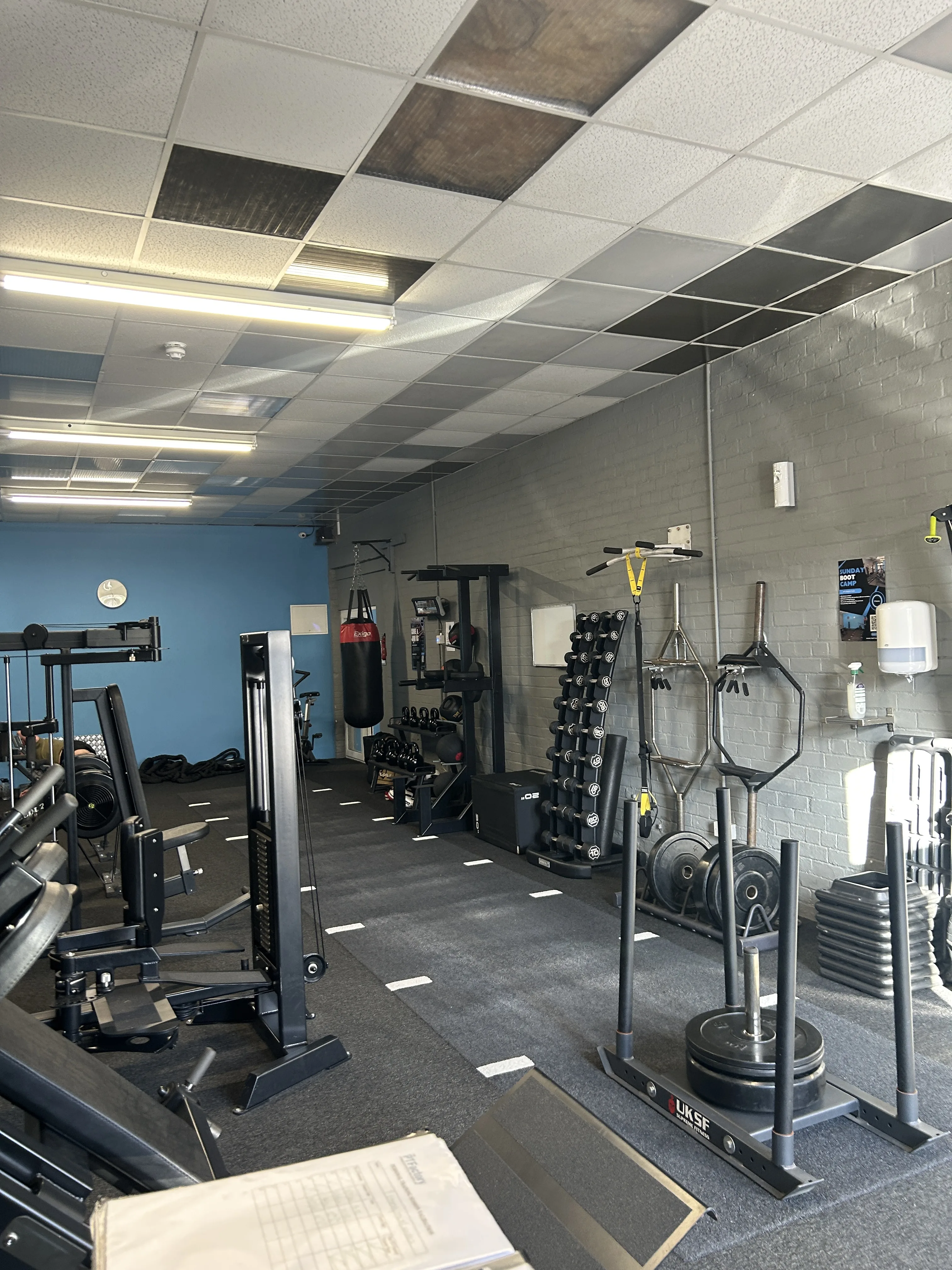
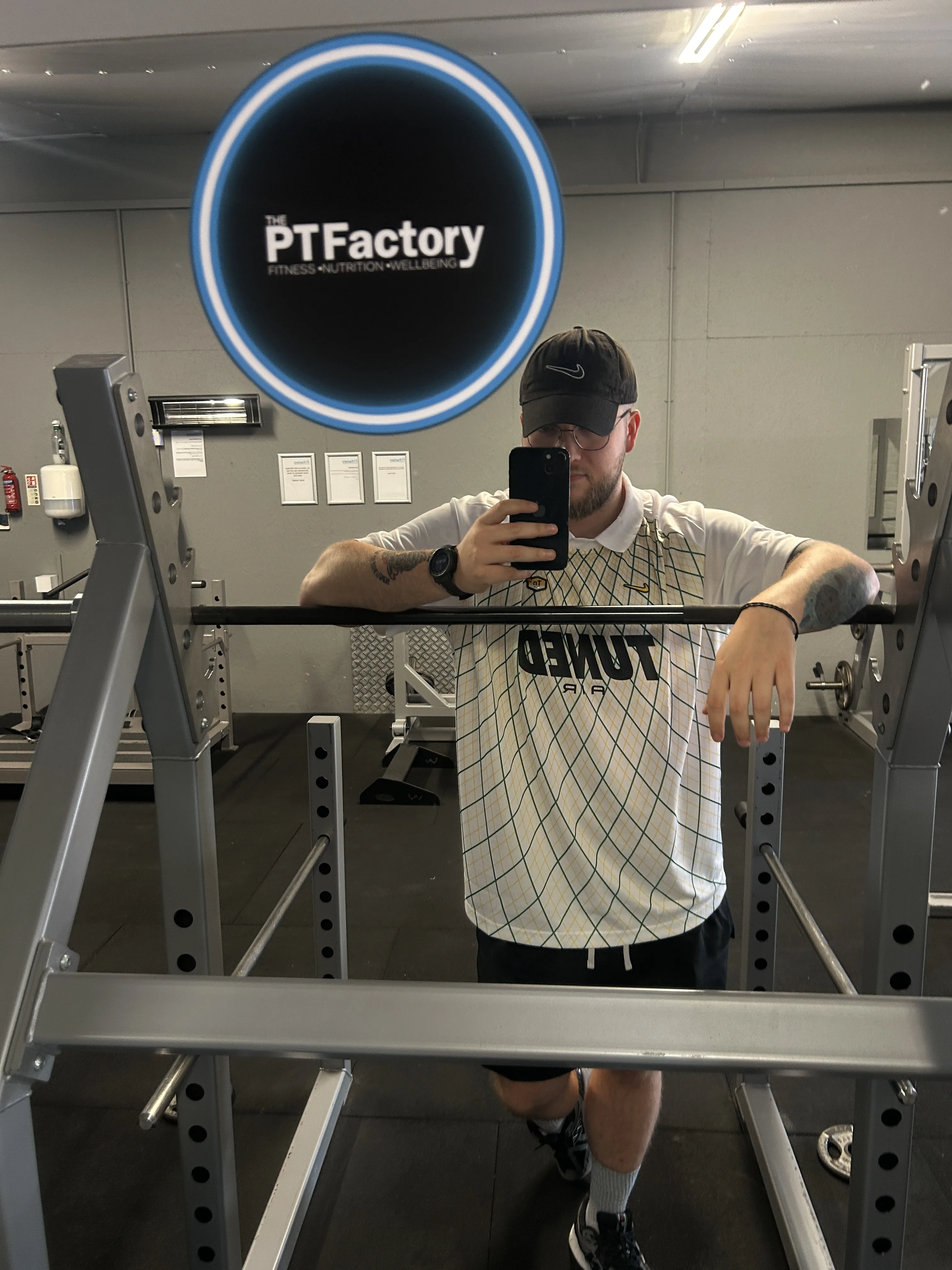
I offer a free consultation at The PT Factory in Denton - no exercise, no obligation, just a conversation. Come in, tell me what's happened before, and I'll be straight with you about whether I think working together would actually help. If it wouldn't, I'll tell you.
Not sure if it's right for you?
Come in for a free consultation. Tell me what you've tried and what hasn't worked. I'll give you an honest answer - not a sales pitch.
Book your free consultation