Exercise genuinely helps with anxiety, depression, and low mood - but not because it "releases endorphins" in some vague motivational-poster way. The mechanisms are real and well-documented. The problem is that the people who need it most are usually in the least position to start. This article explains what's actually happening - and what starting can look like when you're not in a good place.
I've worked with a lot of people whose mental health was the real reason they came to see me.
Not always stated that way upfront. Sometimes they said they wanted to lose weight, or get fitter, or just "do something." But over a few sessions, the conversation shifted. Anxiety that had been there for years. Low moods that were affecting work and relationships. A general flatness that they couldn't shake.
And almost all of them had been told - by their GP, by friends, by articles exactly like this one - that they should try exercise.
What nobody had really explained was why. Or how to actually start when getting out of bed already feels like a full day's effort.
What's Actually Happening in Your Brain
The "exercise releases endorphins" line is true but incomplete. Here's a more useful version.
Regular physical activity increases the brain's production of BDNF - brain-derived neurotrophic factor. Think of it as fertiliser for brain cells. It promotes the growth of new neural connections, particularly in the hippocampus, which is the area involved in memory, emotional regulation, and stress response. People with depression often show reduced hippocampal volume. Exercise helps reverse that.
It also regulates the HPA axis - your body's stress response system. When you're anxious, cortisol stays elevated for longer than it should. Regular exercise trains your body to activate and then shut down the stress response more efficiently. Over time, you become genuinely less reactive to stressors, not because you're calmer by nature but because your nervous system has learned to recover faster.
And yes, endorphins are part of it too. But the more clinically relevant neurotransmitters are serotonin and dopamine - both of which increase with exercise and both of which are directly involved in mood regulation. The same chemicals that antidepressants work on, exercise influences naturally.
None of this is alternative medicine. It's biochemistry.
The Cruel Catch
Here's the problem, and it's a real one.
Depression reduces motivation. Anxiety makes unfamiliar environments feel threatening. Low mood makes the idea of physical effort feel impossible. The people who would benefit most from exercise are often the least equipped to start.
This is why "just go to the gym" is such useless advice. For someone in a rough place, the gym is a crowded, unfamiliar, slightly intimidating environment where everyone seems to know what they're doing and you don't. It takes energy to get there, energy to figure out what to do, and energy to manage the social anxiety of doing it in front of strangers. That's a lot to ask of someone whose energy is already depleted.
I've had clients tell me they drove to a gym, sat in the car park, and went home. Not because they were lazy. Because the gap between where they were and what walking through that door required was just too wide.
What Starting Can Actually Look Like
The research on exercise and mental health doesn't specify a particular intensity or setting. It just requires movement. Regular, moderate, and somewhat consistent movement.
That means the bar for "starting" is lower than most people think.
A 20-minute walk, done three or four times a week, produces measurable improvements in mood and anxiety within two to three weeks. Not a run. Not a gym session. A walk. That's not me being patronising - that's the actual evidence base for exercise as an intervention for mild to moderate depression.
If you can do more, great. But the goal at the start is simply to make movement a regular part of your week. The intensity can come later, once the habit exists and you've started to feel what movement does for you.
Why a Supported Environment Changes Everything
One thing I've noticed working with clients who came to me partly for mental health reasons: the structure matters as much as the exercise itself.
Having a set time, a specific place, and another person who knows you're coming is enormously powerful for people whose mental health makes self-motivation difficult. It removes the daily decision about whether to go. It adds a small piece of social accountability. And it provides an environment where someone is paying attention to how you're doing - not just physically.
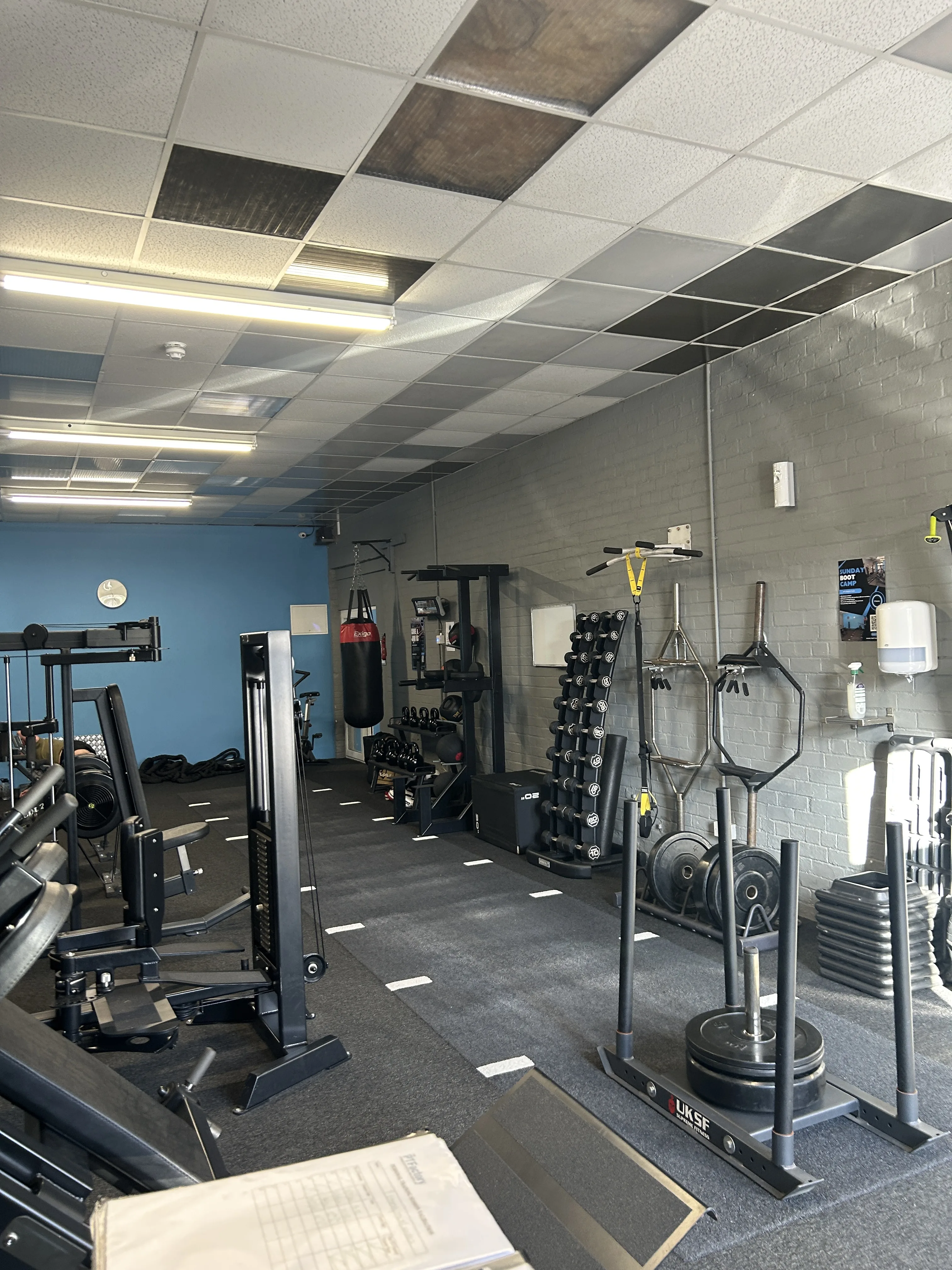
The PT Factory in Denton is a private gym. There are no crowds, no performance pressure, no one watching. For a lot of people, that difference alone is what made starting possible.
If you've been thinking that exercise might help but you haven't been able to make it happen - the issue probably isn't willpower. It's that the environment hasn't been right yet.
A different kind of starting point
If you want to talk about what starting could look like for you - no pressure, no exercise involved - I offer a free consultation at The PT Factory. Just a conversation.
Book your free consultation