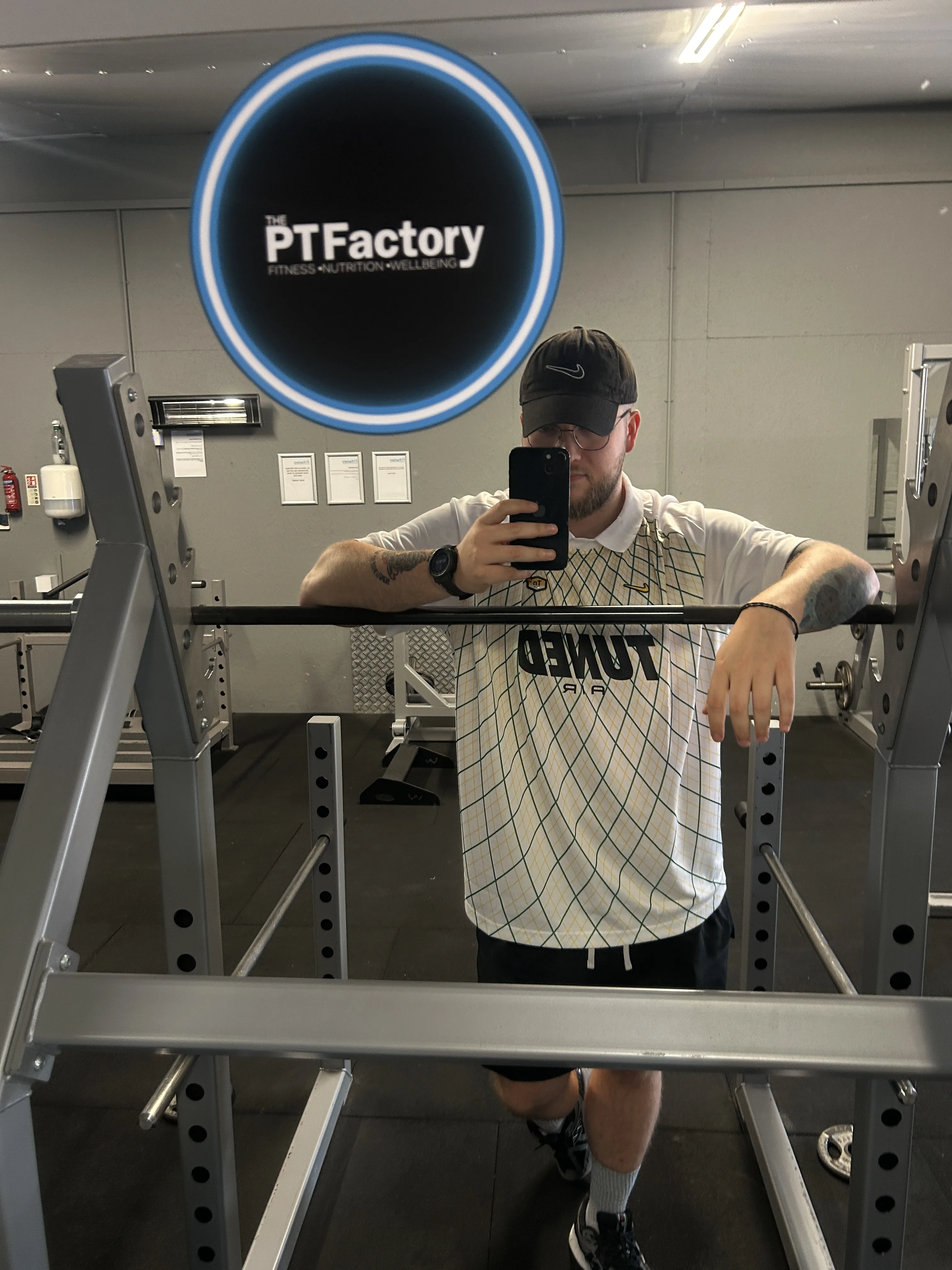
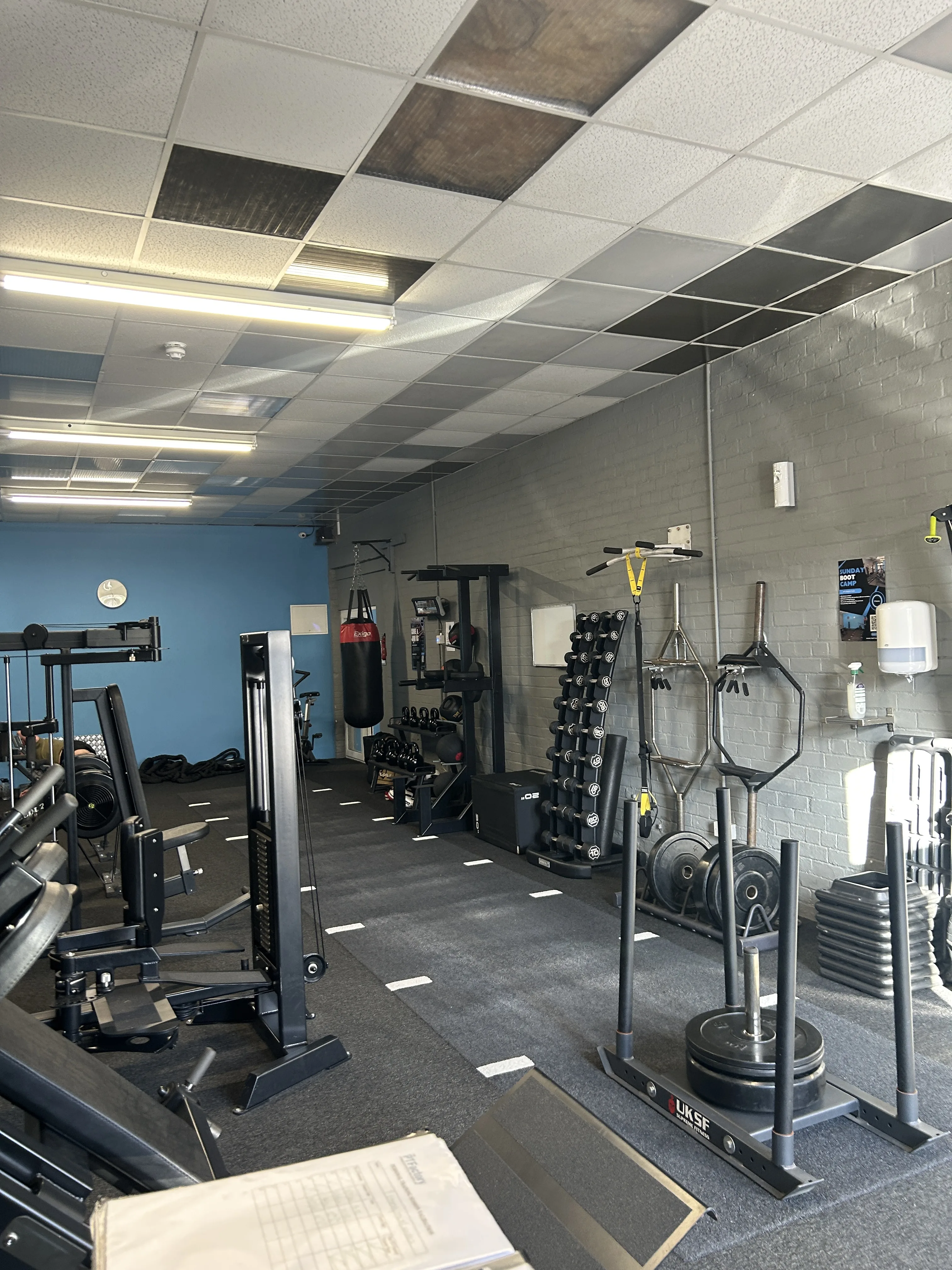
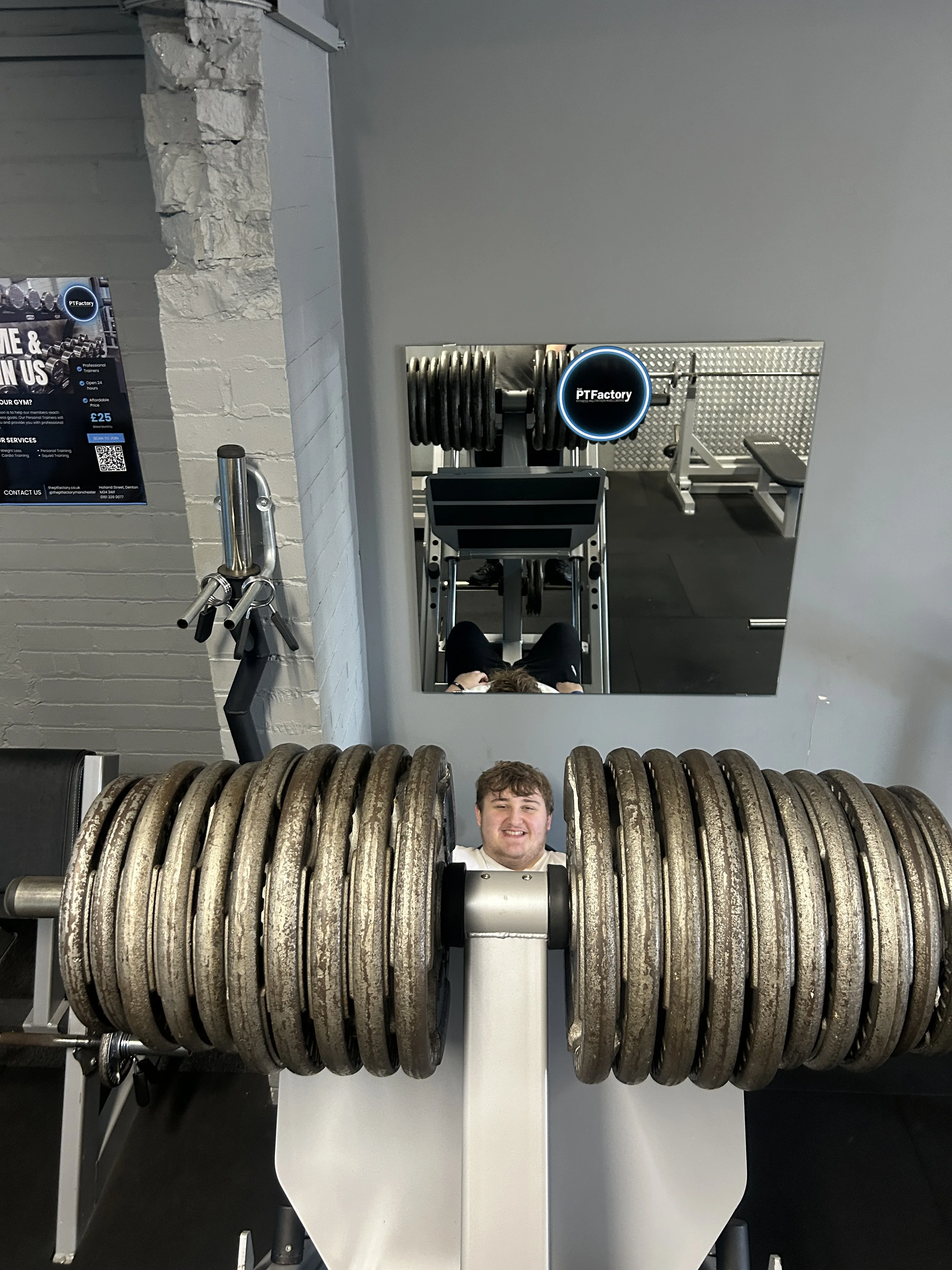
The biggest mistake people make when returning to exercise after a break is starting too hard, too fast. Your body needs time to adapt. The goal in the first two to three weeks isn't fitness - it's building the habit back without getting hurt or burning out. Start lighter than you think you need to. Progress quickly after that.
September is one of the busiest months I have at The PT Factory.
Summer's over, the kids are back at school, and a lot of people who've barely moved since Easter decide it's time to do something about it. They come in motivated, they've been thinking about it for weeks, and they want to make up for lost time.
And almost every one of them makes the same mistake.
The Comeback Mistake
They go too hard, too fast.
First session back after three months off: full intensity, everything hurts for five days, they can barely walk downstairs. Then they miss the second session because they're still recovering. Then the third. And the momentum they'd built in their head evaporates before it had a chance to become real.
I've seen this play out so many times. The enthusiasm is genuine, the intention is solid - but the approach is wrong. Your body doesn't care about how motivated you feel. It needs time to adapt. Tendons, joints, and connective tissue adapt more slowly than muscles. Push too hard before they've caught up and something gets strained or inflamed.
The first two weeks back should feel almost too easy. That's the point.
What Your Body Actually Needs
Fitness returns faster than it was built. Muscle memory is real - previous training creates adaptations that accelerate regaining lost fitness. If you were reasonably fit before the break, you'll get back to that level significantly faster than it took to reach it the first time.
But this doesn't mean you should jump straight back in at full intensity. The cardiovascular system and muscles adapt relatively quickly. Tendons, ligaments, and joints are slower. Going hard in week one risks injuring the parts of your body that haven't kept up.
Weeks 1–2: Lighter loads, lower intensity. Focus on movement patterns, not performance.
Weeks 3–4: Gradually increase load and intensity.
From week 5: Normal progression.
It's frustrating to go slow when you're motivated, but this approach gets you to full training faster than starting hard and getting hurt.
Don't Try to Punish Yourself Back Into Shape
There's often guilt attached to a break - especially a long one. And guilt tends to produce punishing exercise behaviour. Doing too much, too hard, as if you're making up for the lost time.
This doesn't work. And it makes exercise feel like a punishment rather than something you're doing for yourself - which is exactly the mindset that leads to quitting again.
The break happened. It's done. You're back now. That's all that matters.
Find the Entry Point That's Actually Right for You
Not everyone coming back from a break is returning from the same starting point. Three months off because of a holiday season is different from three years off because of an injury or illness or a period of depression. Be honest about where you actually are, not where you were before.
If in doubt, start with what feels comfortable and add a little more each week. The mistake is almost always doing too much too soon - very rarely doing too little.
The First Session
Keep it simple. If you're returning to a gym, stick to compound movements you know: squats, rows, press-ups, deadlifts. Don't try to cram everything in. Choose three or four exercises, do them at moderate intensity, leave feeling like you could have done more.
Leaving a session feeling like you could have done more is not a waste of time. It means you'll want to come back for the next one. That's worth more than any individual session.
If you're starting completely from scratch rather than returning - a 20-minute walk is a perfectly valid first session. Don't let "it doesn't count unless it's intense" thinking stop you from beginning.
Get Some Structure Around It
The biggest predictor of whether a comeback sticks is whether it has any structure. Vague intentions to exercise more don't stick. Specific times, specific sessions, and ideally someone who's expecting you to turn up - that's what builds the habit back.
This is why a lot of people who've lapsed come to me. Not because they don't know what to do - but because having a booked session with someone who notices if they don't come is what finally makes it stick.
Ready to start again - properly this time?
Book a free consultation at The PT Factory in Denton. No exercise involved - just a conversation about where you are and what starting again could look like for you.
Book your free consultation